Film or Digital?
Tools of the trade
Digital cameras didn't exist when I started in photography. In the late 90's my manager purchased the first digital camera I ever used, I'm not sure of the make and model, possibly a Kodak which used a floppy disk for storage.
Fortunately I missed the DSLR phase of camera evolution, so didn't get cought up in the "must have the latest" craze, and saved a lot of money. I purchased the best Lumix compact camera I could afford and took it everywhere.
Eventually I purchased a Nikon mirrorless camera which I was very happy with but had the usual hate reviews. The image quality was good, the lenses were good, and I could use free editing software.
But after a while, and several expensive purchases later, I realised this system was not for me. I'm a very technical person but I do not want to learn some ludicrus menu system, or just fiddle around with auto-focus, I just want to take photos. So everything was sold, a lesson learnt, and a return to film (almost).
I have done the maths, checking the cost of shooting film against digital, and once you add in the storage (cards and disks), a replacement computer, the renting of software or purchasing upgrades, and the on-line costs, film breaks even. If film prices had followed inflation it would be less expensive today. Thye other observation is; negatives stored properly are easy to find, where as sorting through thousands of thumbnails can be soul destroying.
The aesethics of film verses digital images will be discussed forever, so it comes down to what is required to capture an image. There are a number of articles on-line discussing the resolution of film, print size, and noise/grain comparisons. This is a bit subjective as much can change in the film development and cropping of both film and digital images. The most important criteria are; the image use and time constraints.
Photolabs in every town are a thing of the past, so unless you are developing your own negatives you need to add 10 days to the image delivery time. Even if you process the films yourself, this takes a short time then time for the film to dry before scanning. Then depending on your scanner, you can add a few hours for medium quality scans.
Digital may appear quicker, but you still have to sort through the images and most likely do some basic editing, especially if you shoot RAW. Some say to use bulk editing tools, these are fine for huge numbers of images where the quality can be more relaxed, but they have a purchase cost and require learning and adjusting every time.
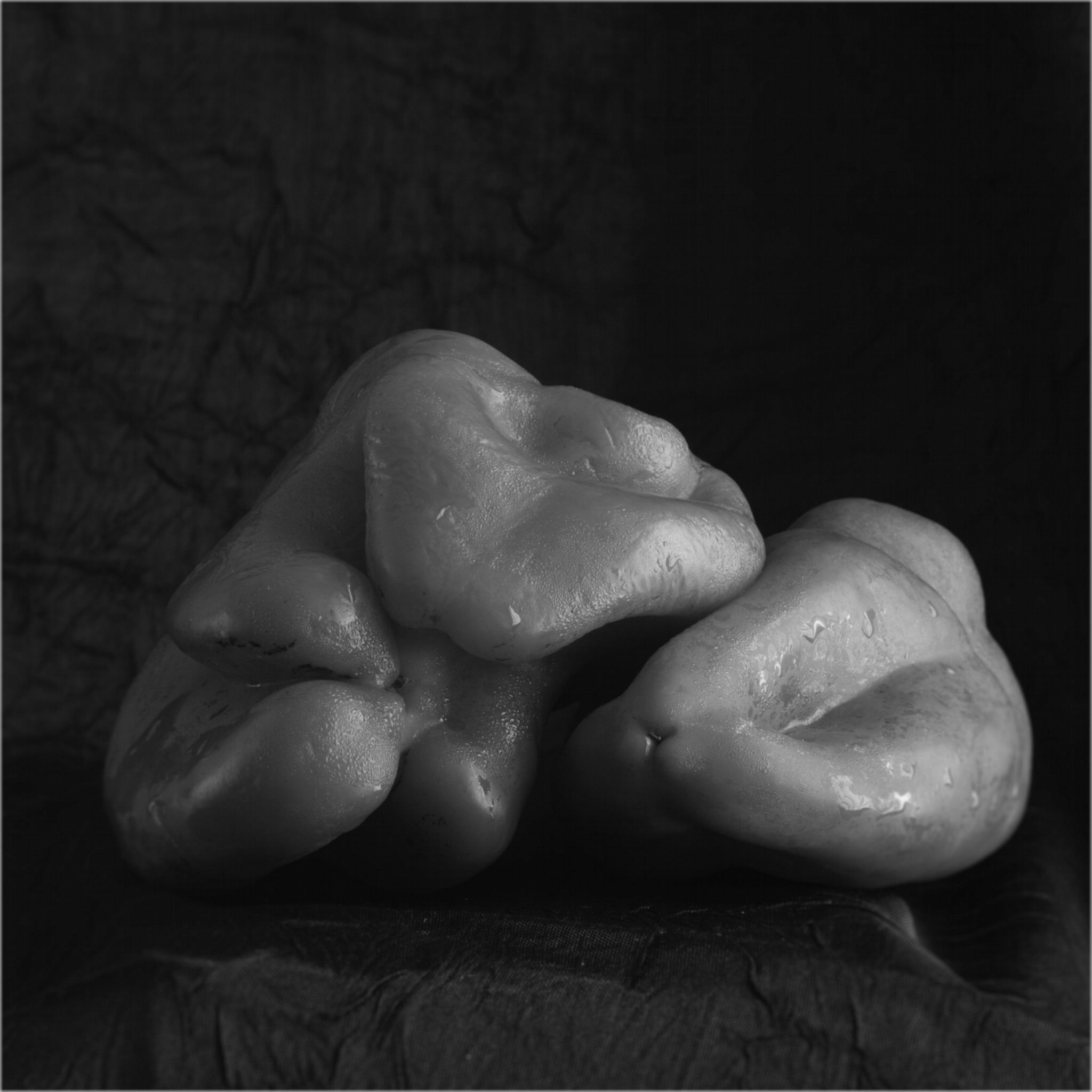
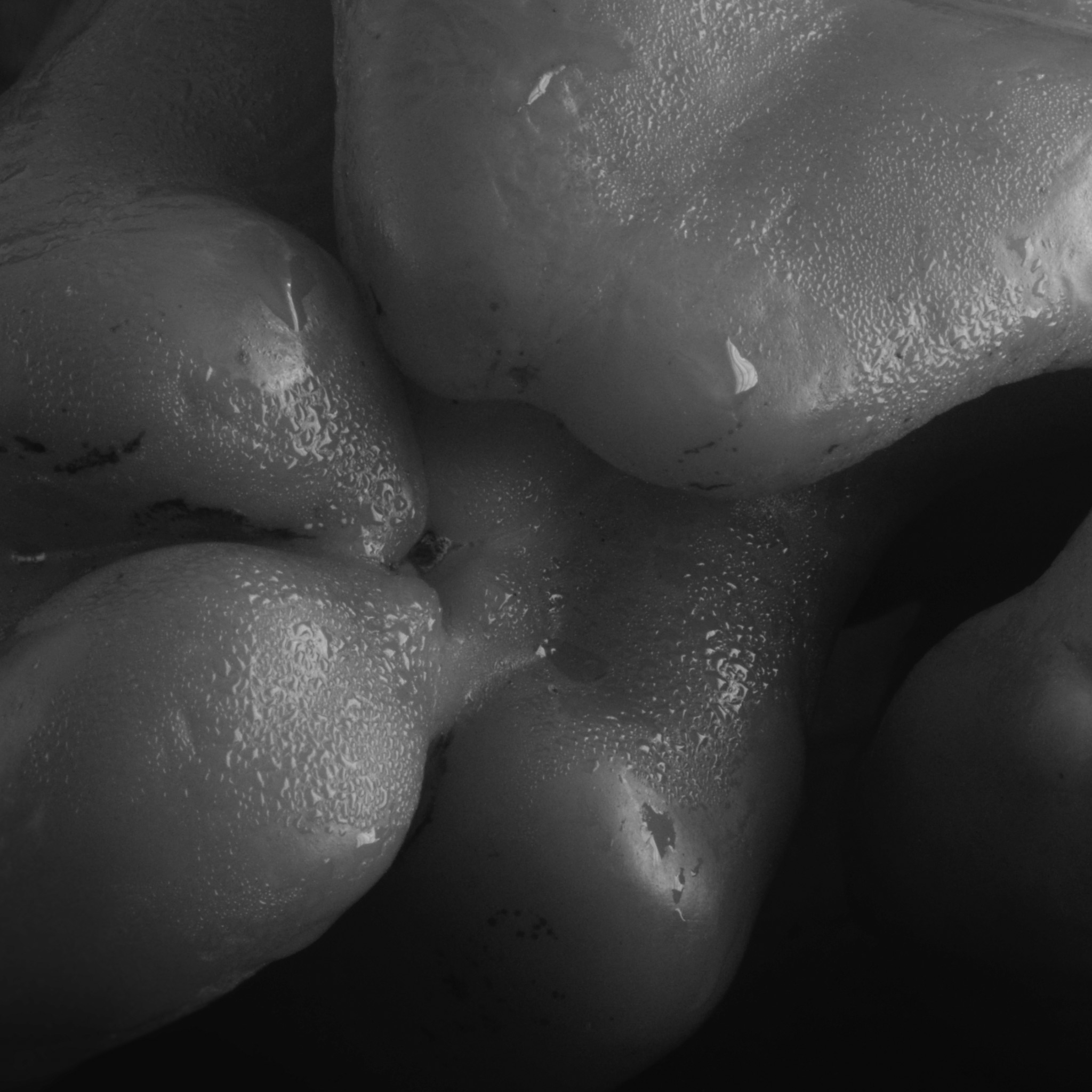
The image above was taken using a Hasselblad 503CW with a 120mm macro lens and the CFV 100C digital back. I always shoot square format with the Hasselblads so the image is not the full 100 Megapixels (8742x8742 possibly). After importing the frame into Phocus, I cropped it to maybe 80% then converted it to monochrome. The actual print size at 300 dpi is just over 20" x 20" (51 x 51cm). If this was shot on 120 roll film and enlarged to the same 20x20 size, most professionals would be very happy with the quality. For film the general rule is not to enlarge more than x10.