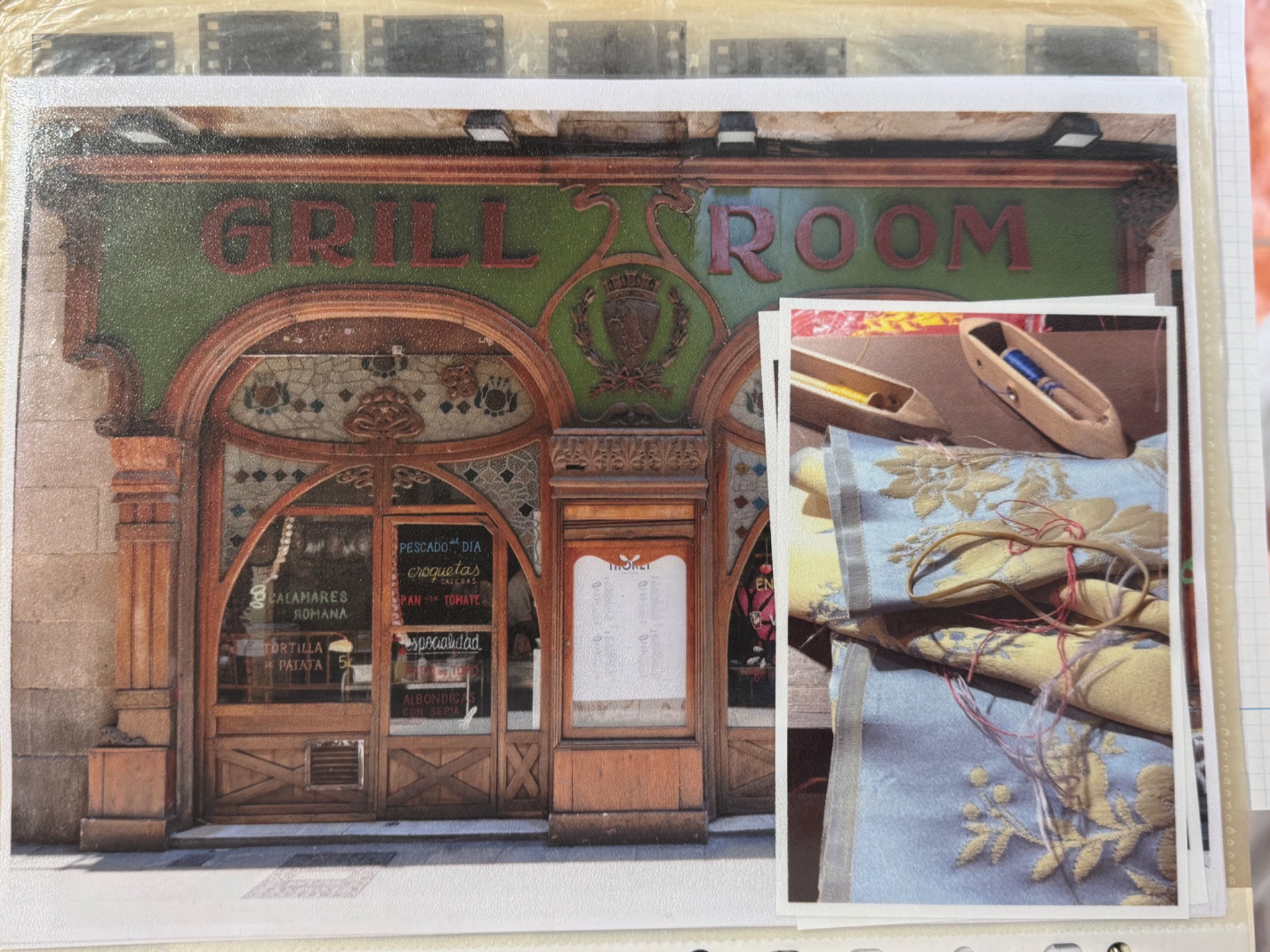
The importance of print
Printing is the most important part of photography which gets neglected by most photographers.
If you only shoot digital the reality is you accumulate hundreds of images with very limited chances of anyone seeing them.
Showing a high quality photo on a tiny screen doesn't do the image any favours, and even if you can show on a much larger screen, it isn't like you can pass it around with family and friends.
Back when film was the only choice, you would receive a handful of 6x4 prints from your chosen film lab, and if you were lucky a free film to keep you coming back. Whilst this sounds good, most images were a bit off, either out of focus, bad exposure, or just plain terrible. But the cost was low and you would end up with a draw full of negatives, with the best pictures in albums or hanging on wall.
With the digital only age your images reside in some electronic memory. Cards, computers, hard drives and on-line, a hidden cost unless you sort through and delete what's not worth keeping. But still, you do not have a printed version.
Running your own darkroom
If you are fortunate enough to have the space there is nothing more special than watching a print develop. The initial cost of the equipment varies greatly depending on the size of prints you want to make and the availability of the paper and chemicals. But if you only want to develop the films the costs can be a real saving, especially if you do not have a film lab close by. You also get the chance to experiment with different processes, something a lab either cannot do or charges a lot for.
Can real photographic prints have a monetary value?
Take a look at The Thinking Camera - Brian Maheny. A good example of process and originality featuring the work of Steichen.
Today there is a good quantity of excellent darkroom gear available second hand, so you can start off with a modest setup and expand as you need it. Just be aware that quality factors are the same as cameras, buying a cheap enlarger lens will never be as good as a better brand.
If you can scan your own negatives and print digitally this is fine, but don't keep the digital copy as you can scan again later.
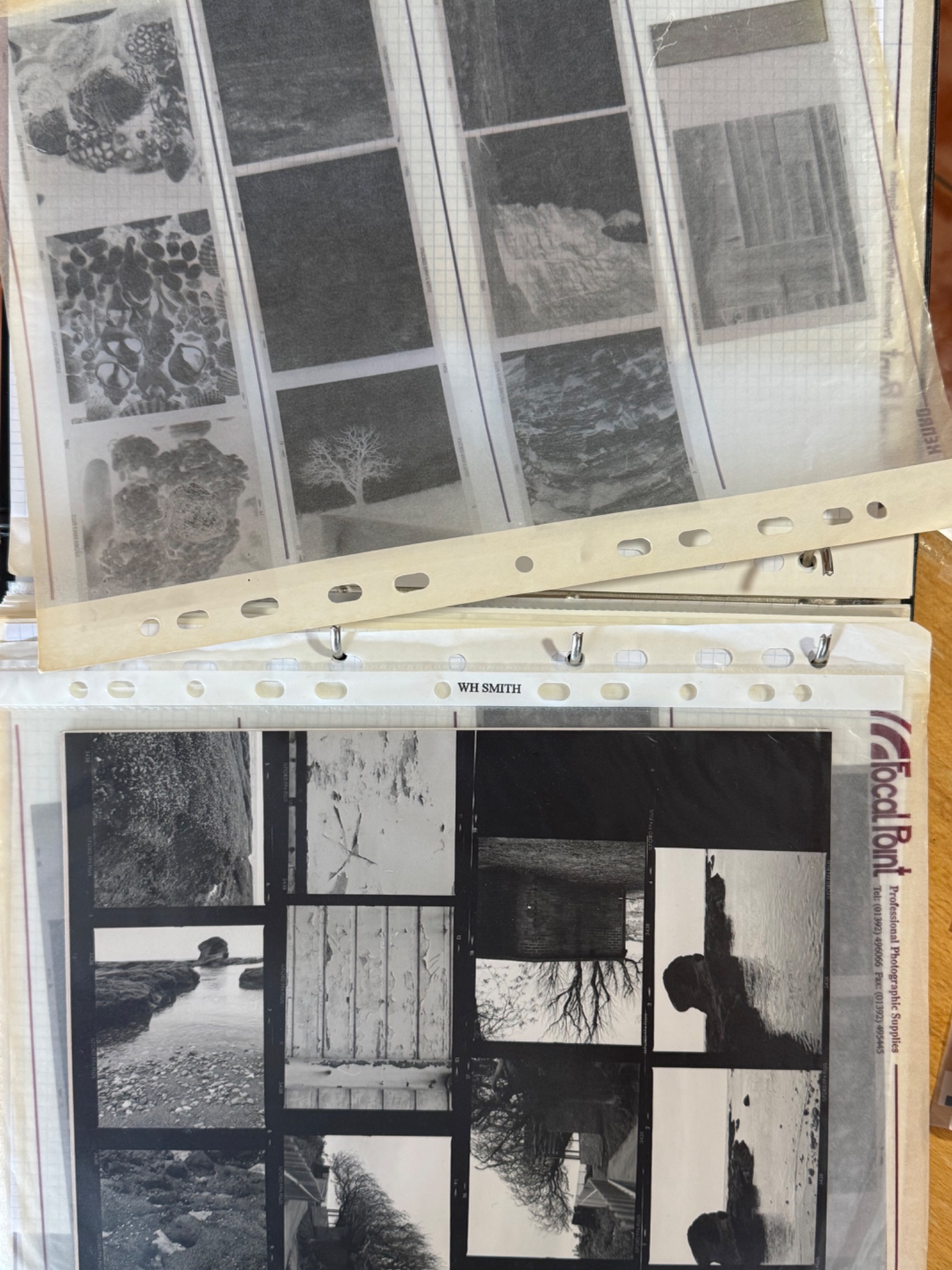
Is a mix the best?
Shoot on digital and get a physical print, this may be the way to go if you really want to show your work. Even in the small Spanish town I live in we have a good print shop. They can print on demand up to A4 size which is ideal for the old 8x10 inch prints we would make from film, or A5 which handles 6x4 inch prints with a border. The great thing is you don't have to wait days for your prints.
Another advantage is that you have the opportunity to make edits but don't overdo it.
The challenge is to know the colour grades and paper types the print shop uses, so a little experimenting may be required. This is especially true as your computer/mobile screen is illuminated so the image looks much brighter than normal.