The myth of the perfect photo
Like so many photographers I got sucked into the commercial cycle of using high specification cameras to get the perfect image.
This is not good as you spend more money buying equipment, and thus have less money to go out and capture the image you dream of.
So what's actually required to create a great photo?
What is this perfect image?
According to the camera manufacturers the only acceptable image is sharp, no motion blur or lens artefacts, and high pixel count with high dynamic range.
Well I discovered my photographic style doesn't need all of these and in practice some just get get in the way.
As a film user you are limited by the characteristics of film, so a high pixel count is not applicable, but negative size matters.
High dynamic range is not applicable as with film you set your exposure differently and then process your film to get the tonal range you want.
Even the image sharpness is not so important where you are selectively focusing for your chosen result.
As a digital user a high pixel count is important to me as I can selectively crop the image more than a low pixel count. Plus a high dynamic range allows me to pull details out of the shadows when setting the exposure to not clip the highlights.
What cameras do I use?
Hasselblad FlexBody
As I like to shoot architecture occasionally I previously had a 28mm tilt shift lens on my full frame camera. It was great but I was limited to the 28mm angle of view and I was not particularly happy with the perspective distortion.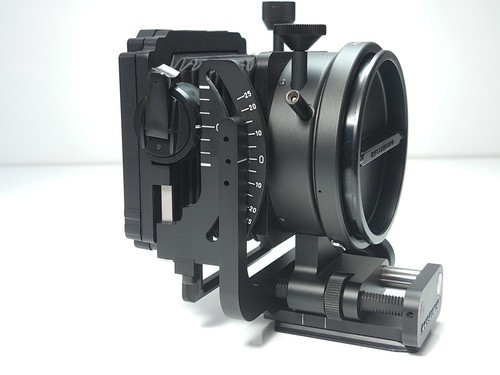
As I have the older Hasselblad V Series cameras and lenses I managed to find a Hasselblad FlexBody which uses the same lenses and film backs as the V Series. This has provided me with choice; I can use the 50mm lens when I cannot get far enough away to capture the whole building, or the standard 80mm lens, or even a 150mm when the scene allow it. The FlexBody also has Macro capabilities as it is a bellows construction, you just turn the thumbwheel to extend the lens to film distance. What is even better is that I can use my CSV 100C digital back with it which only uses the centre portion of the lenses and gives fantastic results.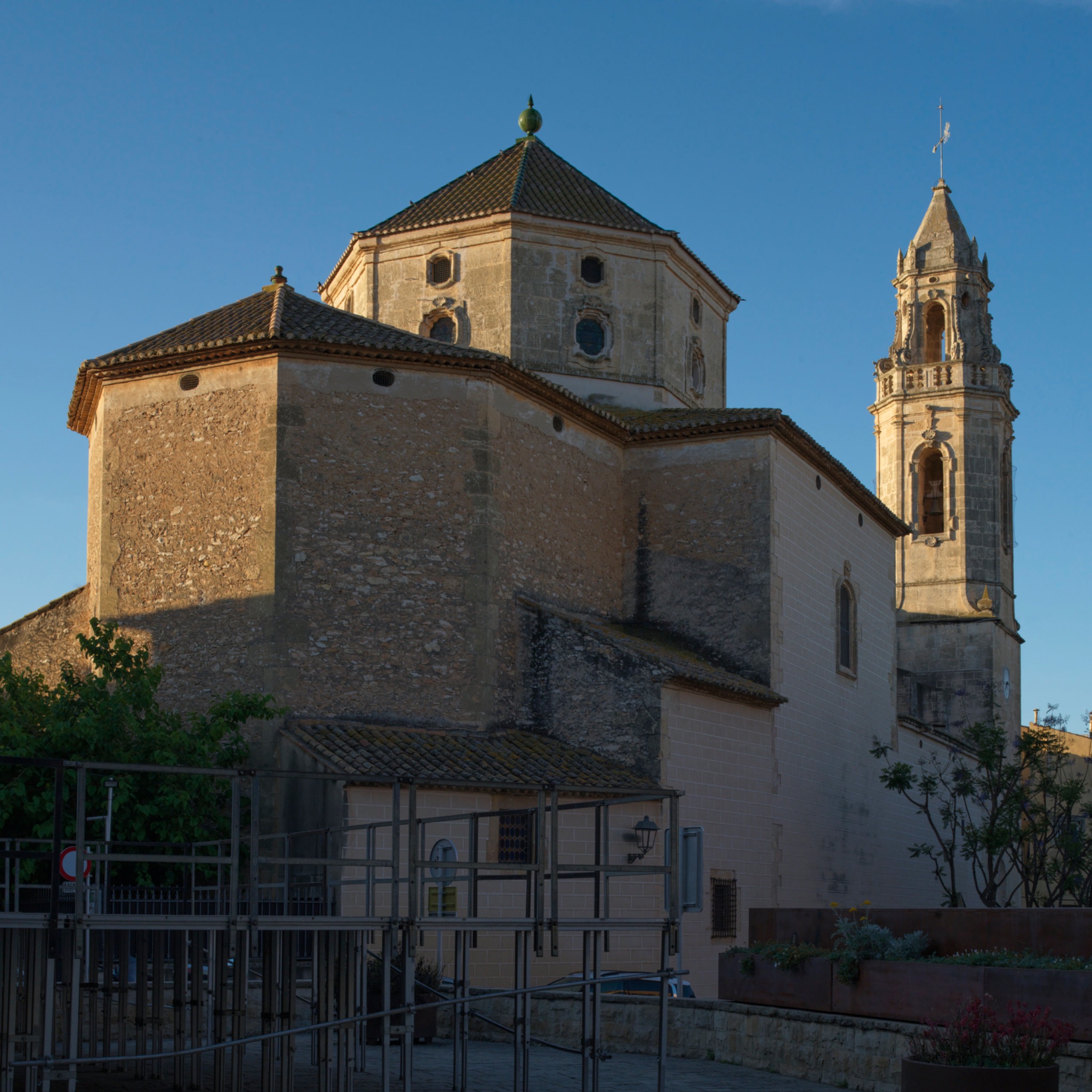
I used the CSV100 C digital back for convenience in this shot, exposing for the highlights and sky I was able to increase the shadow detail in Phocus.
This camera body is totally mechanical, you require a cable release to fire the lens, or to use the digital back in electronic shutter mode. You may think this would not be suitable for portraits or fashion, but there is at least one photographer who has done this, and used the tilt feature to manipulate the out of focus area.
There have been many well known fashion and portrait photographers who built successful careers using 5x4 cameras which are basically the same, depending on the make and technical aspects, have the same facilities as the FlexBody.
What automation this camera does not have is autofocus, stabilisation, automatic exposure bracketing, automatic focus stacking, or even a light meter.
Hasselblad 503CW
This is my favourite camera!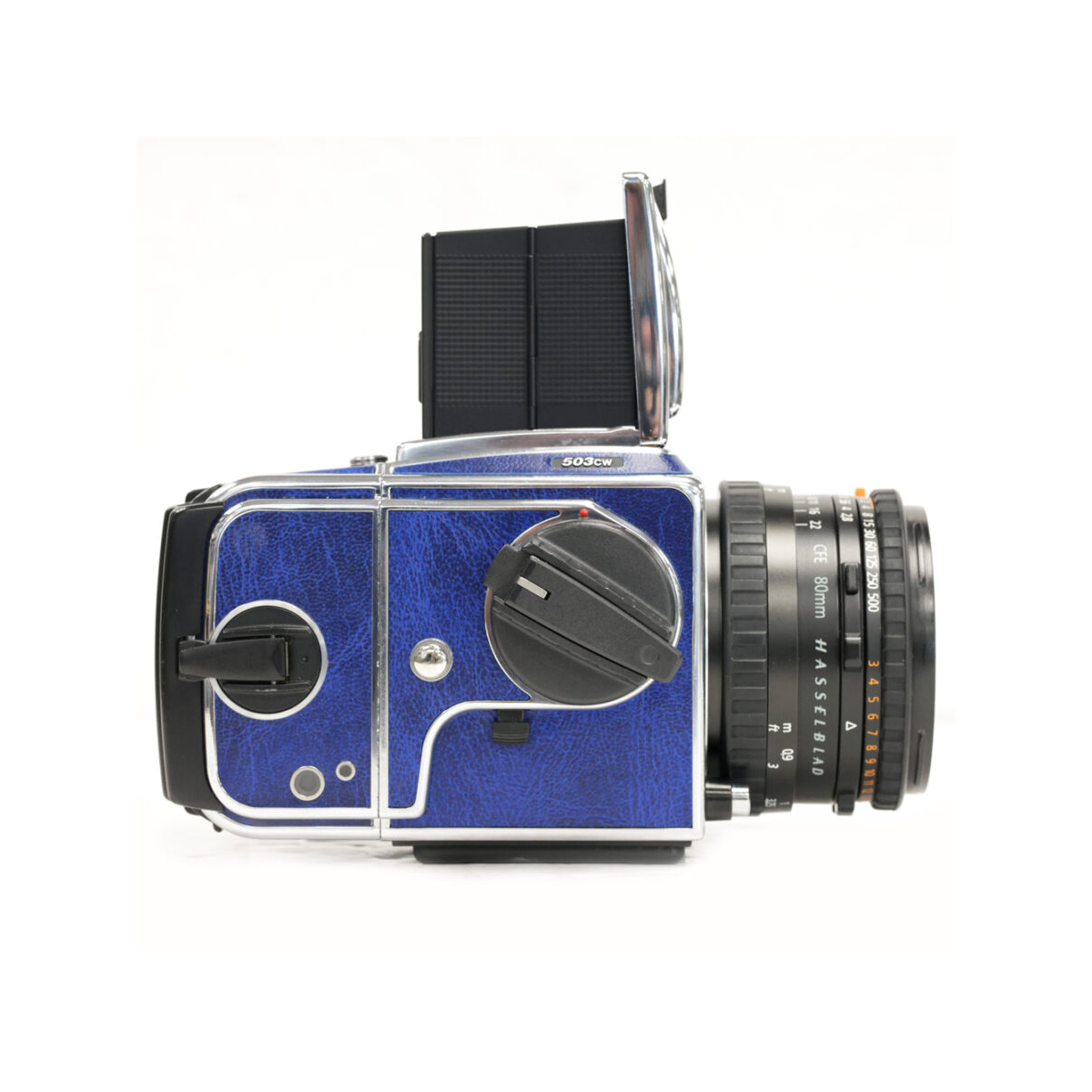
The standard film back for the V series cameras provides 6x6cm (2 1/4 Square) negatives so you do not have to turn the camera for portrait shots. This is by far a superior way of working once you become accustomed to the square format.
Even when I use the CSV 100C digital back I set the backs crop mode to square which takes a little getting used to as the digital image is smaller.
The 503 is again totally mechanical, no batteries, and as long as you look after it, no worries for many years. Mine is from 1999/2000 and still works fine.
You may think that not having autofocus is a problem, not with the later focusing screens which have fresnel ring and split image centre spot like any good SLR.
In fact the large viewfinder is really great to work with either using the standard waist level finder or any of the prism viewfinders.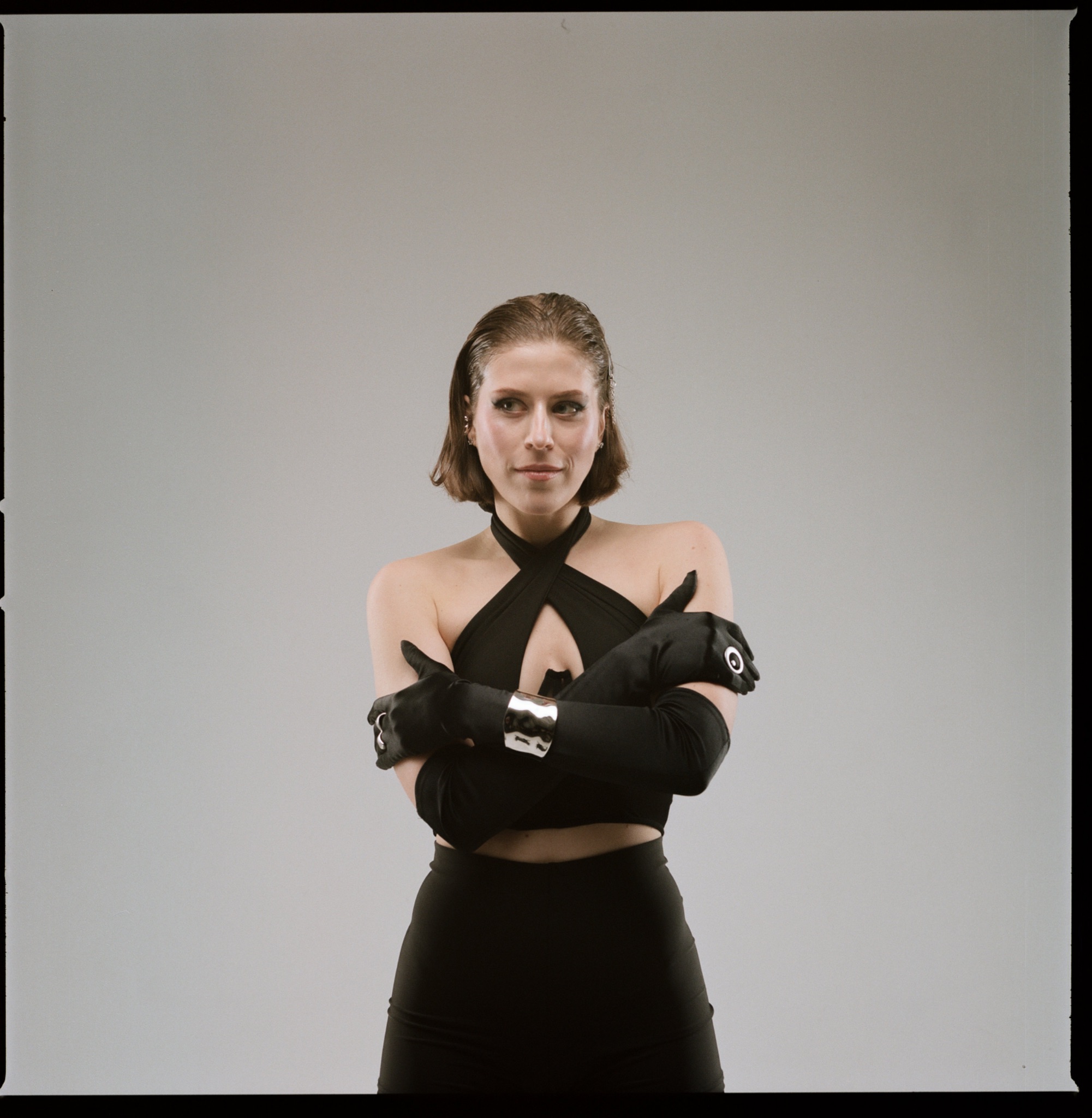
Again you do not have any of the automatic functions or exposure meter, but this has not stopped thousands of portrait, fashion, wedding or landscape photographers using this camera system since the 1950's.
Hasselblad X2D
I wanted to buy one of the older Hasselblads, at the time it was the H6 but they were, and still are, very expensive. So when I found out about the X2D I sold all my full frame gear and bought one with a selection of the "versatile" range of lenses. The images are great, good colour and superb detail but huge so storage can get expensive. So far it has been great for my needs, the only issue I have is the quality of the materials, this is the only camera I have owned which has been so easy to scratch. The newer Mk II version is said to have a better coating, but maybe it's because I use the camera so much in the wild ;)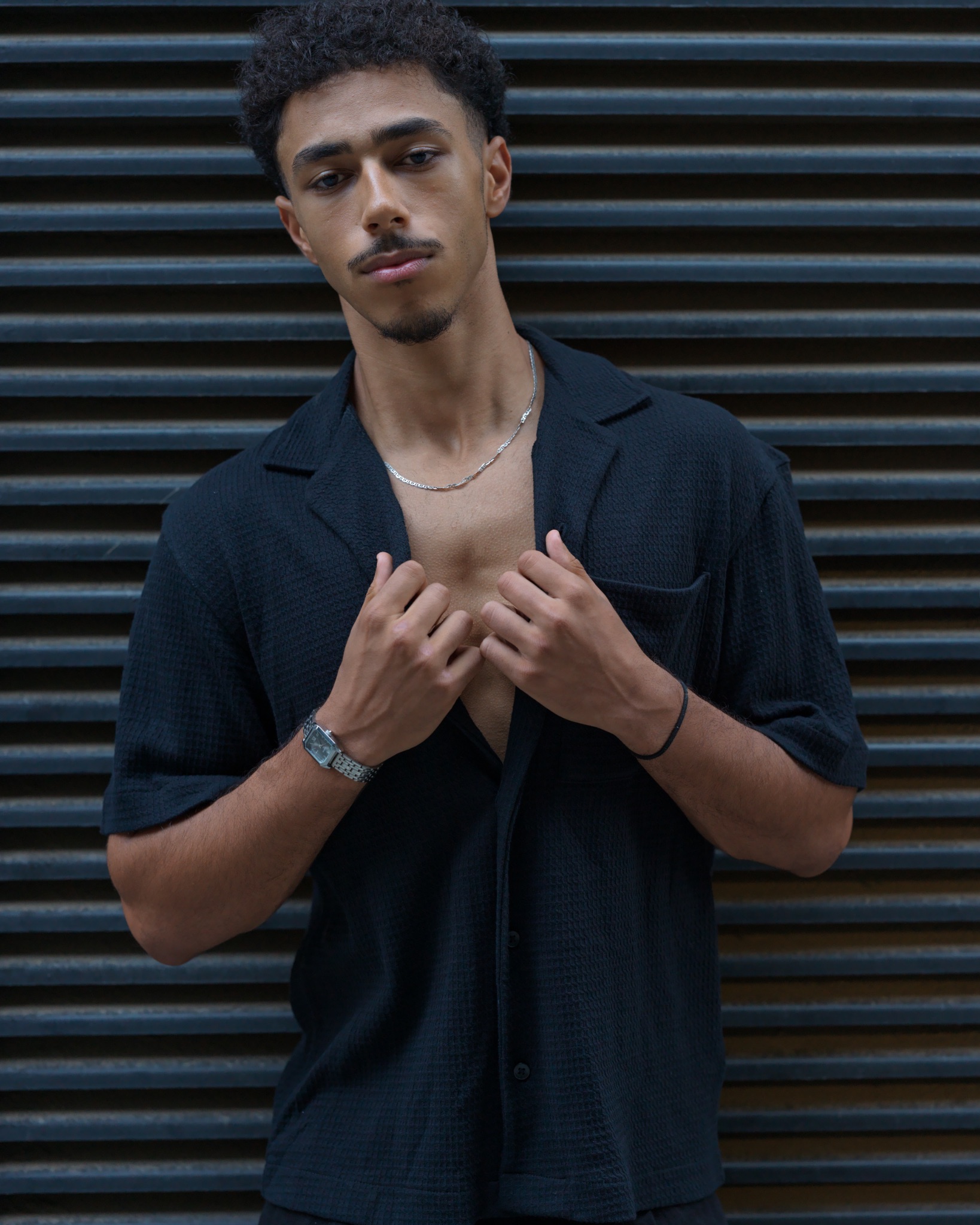
The X2D and XCD lenses provide fantastic image quality, but that's not always what I want, so I revert to the V series for the image qualities they provide. The good bit is that the CSV 100C digital back comes with a sliver of a camera which uses the X series lenses.
Nikon FM3a
I wanted a small film camera which I could travel with. Checking which mechanical cameras were easily available this was the best choice for me. Again it is totally mechanical but with a battery you get a reasonable TTL light meter.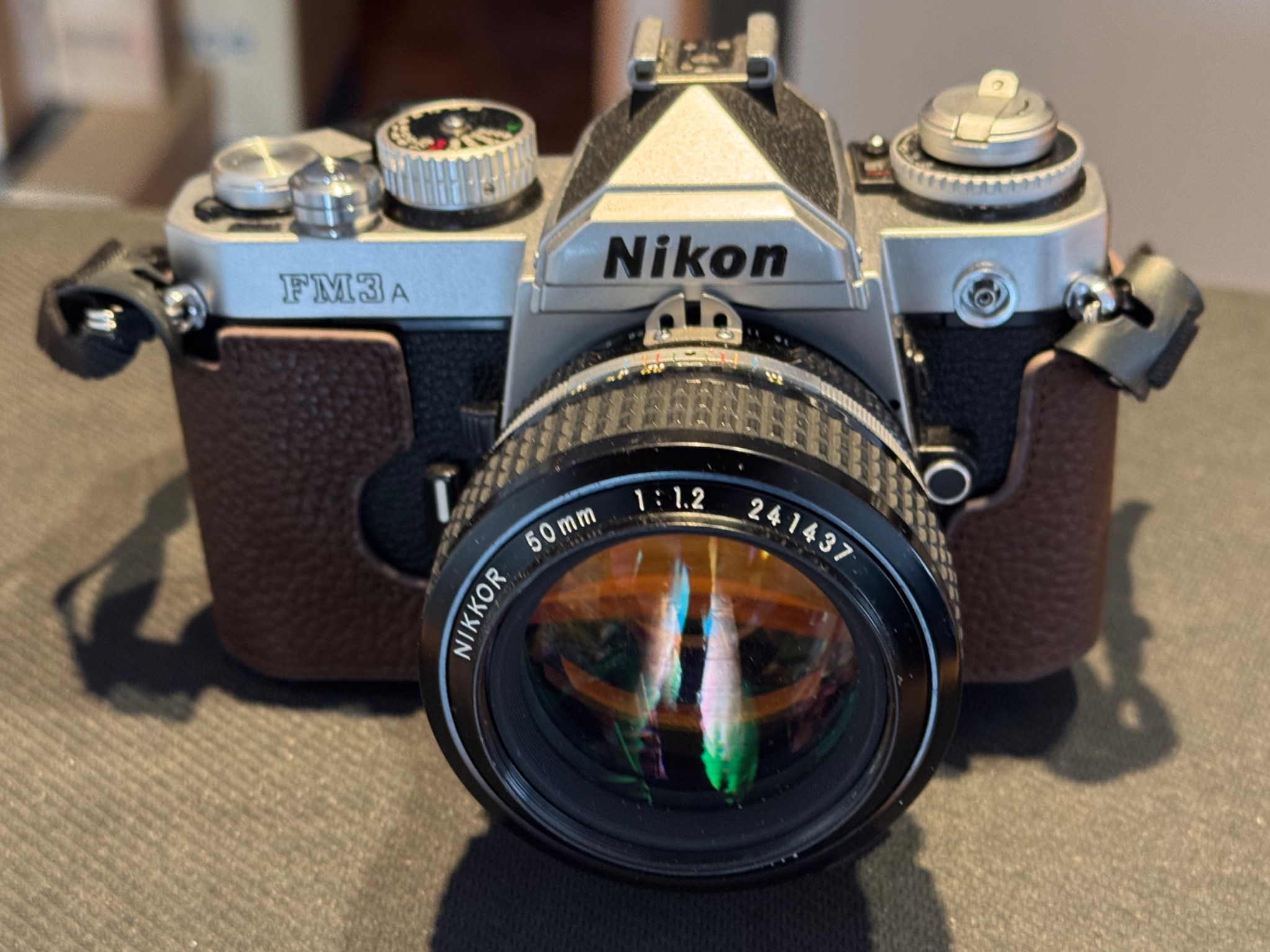
The shutter speed range is really good and the lenses are inexpensive so I have a 50mm and a 35mm. The only downside of 35mm, besides the tiny negatives, is the films are more expensive but you get 36 exposures.
Quality
All of these cameras produce images of outstanding technical quality if used properly, but I don't always use them as expected.
Being able to use any of them in manual exposure means that I can get motion and emotion into my images. Or using the X2D or Nikon in aperture priority means I can just point and shoot for happy snaps.